Click on links in blue to select a page
1: To Be A Soldier
Two very different letters reflect major conflicts of the 19 th century.
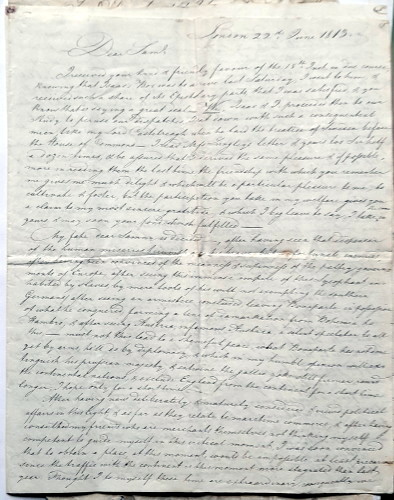
In 1813 a young man writes to a friend of his life in London and explains his decision to become a junior officer in the King’s German Legion, to fight in the Napoleonic Wars.
In 1855 a Private soldier writes home to his mother about his experience of one of the climactic battles of the Crimean War, at the fall of Sevastopol.
2: A Small Part in History
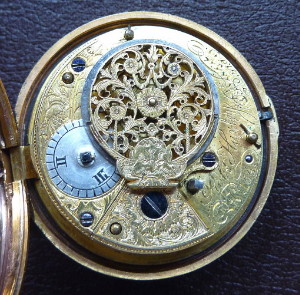
In A Small Part in History the development of one component of a pocket-watch is followed through nearly two centuries, from minor art work to functional element. The images reveal a story of continuity and change.
3: Mother and Daughter
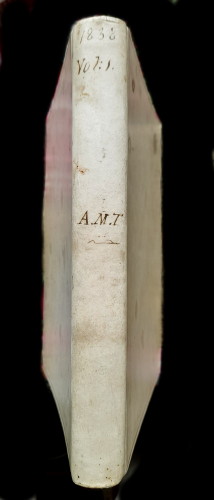
At the beginning of the Victorian era a mother decides to create a record of The Early Life of my Daughter. This describes aspects of her daughter Anna Maria’s life from babyhood until her teenage years from a parent’s perspective.
4: Prints Tell Stories
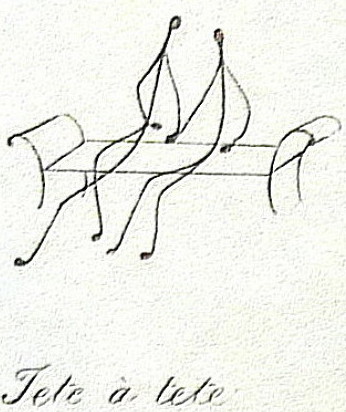
The London-based print maker Edward Hull gives a tongue in cheek view of Late Georgian Life in Stick Figures – from the ballroom to the duelling ground.
5: Young Women of the Rural Regency
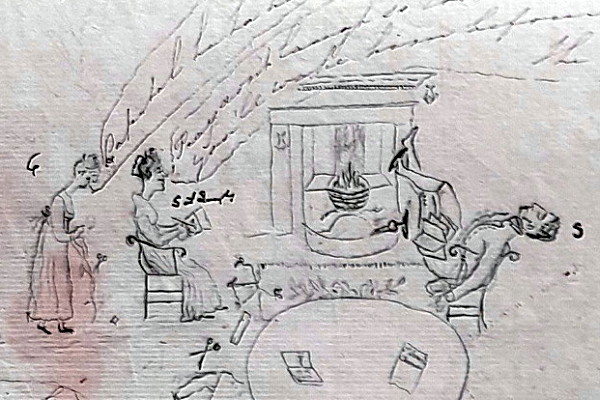
In correspondence between Sisters and Brother, and light-hearted sketches, two daughters of a farming family introduce us to their experiences of life in rural Suffolk in 1811.
6: Taxing Times
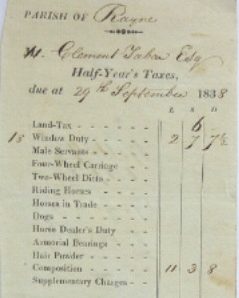
A tax bill from the second year of Queen Victoria’s reign shows an approach to taxation which still owes much to the previous century, when duties on Windows and Wig Powder were seen as useful sources of revenue.
7: From Essex to France 1853
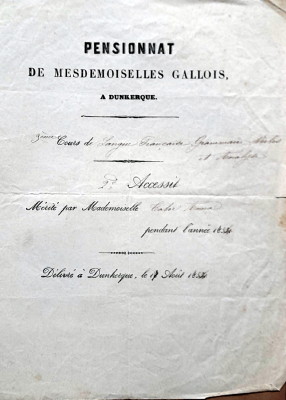
Fourteen year old Anna Maria (see 3: Mother and Daughter) travels to Dunkirk to complete her education at the Pensionnat de Mesdemoiselles Gallois, a boarding school catering for French and English students. She exchanges letters with her family, telling of her life “Out of Dear England” (Pt.1).
8: Great Exhibitions
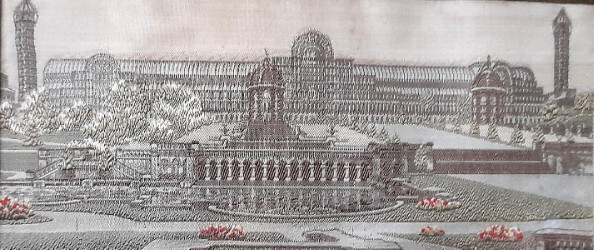
London’s Great Exhibition of 1851, housed in the building known as the Crystal Palace, is a widely known event of British Victorian history. But other international exhibitions followed. In The Great Exhibition of 1862? and others a souvenir pamphlet illustrates one of these.